
MHRA Updates Botulinum Toxin Warnings: Medico-Legal Implications for Aesthetic Practitioners
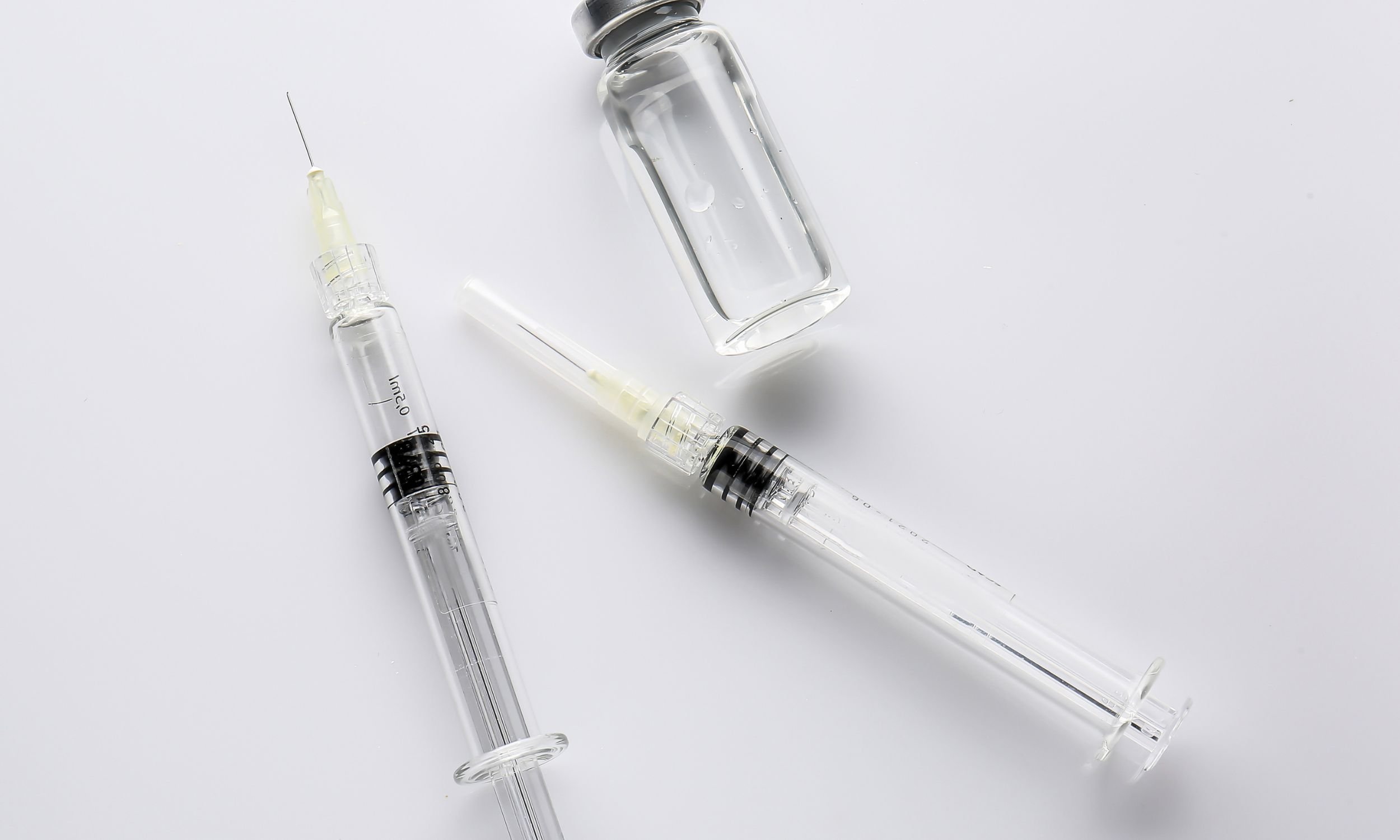
In July 2026, the Medicines and Healthcare products Regulatory Agency (MHRA) issued updated safety advice regarding botulinum toxin type A following reports of iatrogenic botulism after therapeutic and cosmetic use. In this blog, we explore the update from a medical-legal perspective.

What Three Recent High Court Cases Tell Us About the Responsibilities of an Expert Witness
Bond Solon recently published an excellent article examining three High Court judgments from 2026 that should be of interest to anyone acting as an expert witness. Although the cases arise from different areas of litigation, they share a common theme: each illustrates how an expert's credibility can be undermined when they lose sight of their primary duty to the court.

What Medico-Legal Case Reviews Can Teach Us About Aesthetic Practice
There is an assumption that aesthetic treatment claims arise only due to the fact that a procedure has been performed poorly, but in reality, the factors involved are frequently more complex.
Recurring themes seen in medico-legal reviews offer valuable insight into clinical practice and highlight the importance of the decisions made throughout the patient journey.

Why Scientific Uncertainty Does Not Prevent Legal Conclusions
When it comes to civil claims, the court works on the balance of probabilities rather than the criminal standard of proof. A judge does not need scientific certainty in order to reach a conclusion, and the court must decide what is more likely than not based on the evidence available.

When Should an Aesthetic Expert Witness Refuse Instruction?
I think many people assume expert witnesses are instructed because they already hold an opinion someone wants confirmed. In reality, this is exactly what should not happen.

Hindsight Bias and the Assessment of Clinical Negligence
Once an outcome is known, particularly an adverse one, it often appears more predictable than it was at the time. This is known as hindsight bias. It is a well-recognised cognitive bias in legal analysis, and it has a direct impact on how cases in aesthetic medicine are interpreted.

Personal Injury Claims in Non-Surgical Aesthetics & Social Media Influence
Patients frequently arrive at consultations with very clear ideas about what they want, how the result should look, and how quickly it should be achieved. Those ideas are often shaped by social media, long before they speak to a qualified practitioner.

The Legal and Clinical Risks of Cosmetic Tourism
A recent The Guardian article reported that the NHS is spending up to £19,000 per patient treating complications that resulted from surgical and non-surgical procedures carried out abroad.

Karen McGonigal’s Story and the Dangers of Illegal Weight-Loss Injections
The recent death of Karen McGonigal, a 53-year-old mother from Greater Manchester, has brought another deeply troubling case into the spotlight. Karen died just days after receiving an unlicensed dose of semaglutide, administered not by a healthcare professional but by a local beautician offering injections for £20.

Legal Insights: Consent and Causation in Aesthetics
From time to time, I come across discussions in mainstream medical law that feel particularly relevant to the medical aesthetic practice. Recently, I listened to a legal conversation in Episode 204 of Law Pod UK centred on causation in clinical negligence and the evolving approach to informed consent.

UK Cosmetic Regulation Changes: What You Need to Know
What the UK’s new cosmetic regulations announcement means for patient safety, practitioners, and the future of the aesthetics industry.

When Aesthetic Treatment Plans Go Off Track
In my latest blog, I’m sharing what I’ve learned from years of reviewing aesthetic negligence cases, and why sticking to an agreed plan is a safeguard for everyone involved.

The Tragic Death of Alice Webb and the Call for Change in Cosmetic Training
The tragic death of Alice Webb, a 33-year-old mother of five, following a non-surgical Brazilian Butt Lift (BBL) procedure, has underscored the urgent need for change in the UK’s cosmetic industry.

The Importance of Responding Quickly to Patient Concerns After Injectable Treatments
In aesthetic practice, responding promptly to a patient reporting side effects after an injectable treatment is essential for patient safety, trust, and legal accountability.

What is the Standard of Care?
For the average individual, this standard reflects what a reasonable person would consider appropriate. For professionals, however, the standard is higher, reflecting the expertise and training expected in their field.

Advice for Solicitors When Considering Taking on a Cosmetic Claim Involving Non-Medical Practitioners
From my experience, it is crucial for solicitors to rely on expert witnesses to provide clarity on whether a practitioner’s actions met the expected standard of care.

The Tort of Negligence in Common Law
Negligence is a type of civil wrongdoing (tort) that happens when someone fails to take reasonable care, and their actions (or lack of them) cause harm or loss to another person. It’s one of the most common types of claims in personal injury, medical malpractice, and other civil cases.